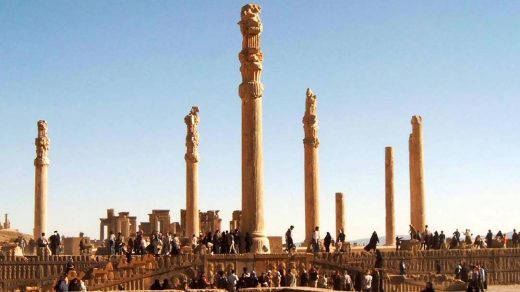
As I set foot on the soil of Amman, my immediate impression was of an atmosphere where the weight of history mingled with the vibrant energy of a modern city. Unlike some ancient cities that seem entirely bound by their past, Amman is a living, breathing, and ever-evolving metropolis—one that sparks an urge to explore the moment you step within its bounds.
Citadel Hill—Overlooking the Beauty of Amman
My first destination was Amman’s most renowned landmark: Citadel Hill. As I ascended the winding stone steps, I could feel the weight of history beneath my feet—carried by every single stone. Standing atop the Citadel, with a gentle breeze caressing my face, I felt as though I could hear the marching footsteps of ancient Roman soldiers and catch the faint echoes of Byzantine church bells drifting through the valley below. The surrounding ruins whispered tales of the past; every crumbling wall and fallen stone seemed to be softly recounting the story of an Amman that existed a thousand years ago.
I slowly made my way along the ancient paths of the Citadel toward the summit. Sunlight dappled across the weathered stone walls, casting long shadows that made it feel as though time itself had stood still. Standing at the very top, gazing out over the entire city, the scene before me took my breath away: clusters of white buildings sprawled across the rolling hills, and winding streets twisted and turned like the brushstrokes of an exquisite painting. The city felt simultaneously serene and vibrant; the distant hum of passing cars occasionally drifted up, yet it did nothing to disturb the profound tranquility of the moment.
I made a point of staying until dusk to witness the sunset. The sky slowly blushed with hues of orange and gold; the fading sunlight draped over the ancient ruins like soft silk, bathing every stone in a warm, radiant glow. In that instant, I truly felt as though time had rewound several millennia. Standing at the crossroads where history and reality converged, I felt the profound weight of the past while being deeply awed by the beauty unfolding before my eyes. Amidst the gentle breeze, I closed my eyes, inhaling the faint scent of wild grass from the hillsides and listening to the distant sounds of laughter. A sense of indescribable peace and deep emotion welled up within me—realizing that travel is not merely about sightseeing, but about allowing one’s soul to enter into a dialogue with history.
The Roman Theater—Echoes of History
Next, I made my way to the Roman Theater. As I stood before this ancient theater—capable of seating 6,000 people—I was instantly awestruck by its grandeur. The gray stone steps rose like a colossal staircase, tier upon tier, stretching toward the center of the stage; every stone seemed to whisper, recounting the laughter and joy of over two millennia ago.
Stepping inside the theater, I could not help but conjure images of scenes from thousands of years past: Roman citizens clad in robes—men and women alike—sitting upon the stone steps, children excitedly pointing at the actors on stage, and the air reverberating with applause and cheers. I sat down casually on the steps, gently running my fingers over the stones that had been worn smooth by the passage of time. Suddenly, a profound sense of connection welled up within me—I was sharing this very space with the ancient Romans, breathing the same air, and listening to the wind whisper through the stone tiers.
Sunlight slanted through the theater’s arches, bathing the stage in a golden glow—as if gilding history itself. I closed my eyes and imagined a modern-day concert taking place right here; contemporary melodies intertwining with the ancient stone steps, creating a wondrous fusion of the old and the new. As a gentle breeze swept past, I could feel the flow of time—two thousand years of history were drawn close in that very moment, and I felt myself to be both a spectator and a participant in that history.
As I departed the theater, I cast one final glance back at the towering stone steps. I marveled to myself: this place is not merely a tourist attraction, but rather a time tunnel—a place where one can hear the echoes of the past and feel the very pulse of history.
Jordanian Stories at the Museum
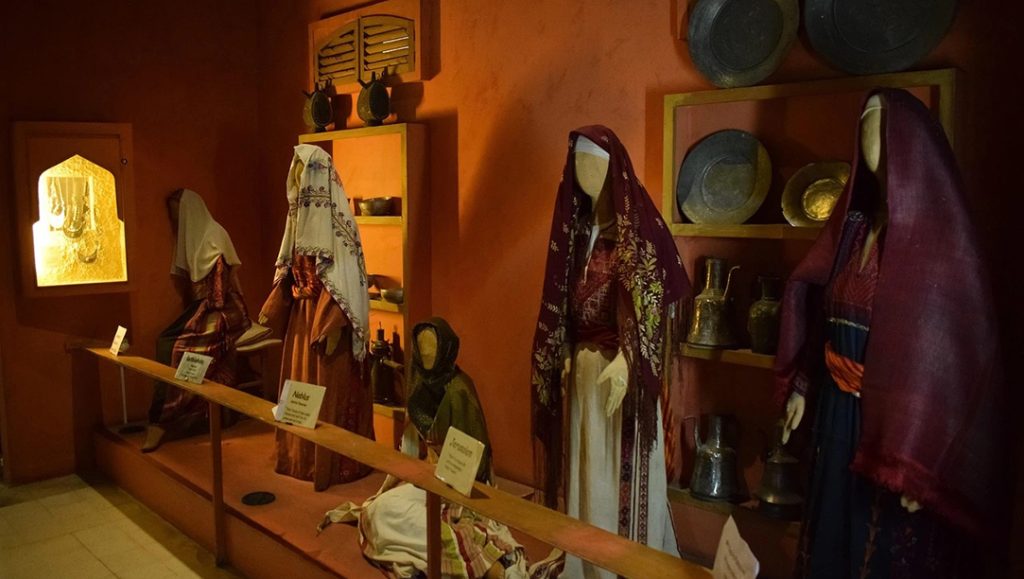
I then made my way to The Jordan Museum. Upon entering the main hall, I was struck by a fascinating contrast: the distinctly modern architectural aesthetic of the space stood in stark opposition to the ancient aura of the artifacts on display. The museum’s interior was spacious and bright, yet every exhibit case seemed to be quietly narrating a story unique to this nation—compelling visitors to slow their pace and listen intently.
The museum’s collection was rich and diverse, though I was particularly captivated by the replicas of the Dead Sea Scrolls. Approaching the display case, I leaned in to examine the exquisite parchment scrolls with great care; despite the passage of millennia, the script inscribed upon them remained remarkably clear and legible. As I gazed upon these words, I felt as though I had transcended time—able to sense the focused intensity of the original scribes and the profound sense of ritual that must have accompanied their work. Every line of text felt like a temporal thread, connecting me to a history spanning thousands of years.
I wandered through the halls for hours, in no rush to leave. Each artifact seemed to whisper its own story—tales of an ancient dynasty’s glory, vignettes of everyday life, or moments that marked a turning point in history. I even sat quietly in one gallery, closed my eyes, and imagined these artifacts coming to life: kings carved into stone tablets smiling beneath the sun, and ancient pottery seemingly still holding the faint scent of meals prepared long ago.
As I stepped out of the museum, a profound sense of awe welled up within me. History is not merely cold text confined to textbooks; here, it possesses warmth and texture, as if gently breathing right beside my ear. It reminded me that every chapter of the past has shaped the Amman of today—and, indeed, the very feelings I experience in this moment.
Modern Amman—Art and the Scent of Coffee
Leaving behind the weight of history, I ventured into Amman’s newer district, Jabal Al-Wehdeh, where the city’s rhythm immediately shifted to a pace that was both brisk and leisurely. Small cafés lining the streets exuded the rich aroma of coffee; sunlight streamed through glass windows, bathing the wooden tables and chairs in a warm glow, while the air was thick with the comforting scent of roasting beans. Unable to resist, I pushed open the door of one such café and ordered a mocha. Taking a gentle sip, I let the sweetness of the chocolate mingle with the intensity of the coffee on my palate—a sensation so soothing that I couldn’t help but close my eyes to savor the tranquility.
The street art—graffiti and murals alike—particularly caught my eye; vibrant in color and bold in line, each piece brimmed with creativity and narrative depth. I found myself constantly raising my camera to capture these vivid scenes; with every click of the shutter, I felt as though I were engaging in a quiet dialogue with the artists themselves. A small gallery tucked away on a street corner held my attention for a long while. I stepped inside and chatted at length with the owner, who enthusiastically shared the inspirations behind the local artists’ work and the stories woven into their creations. This experience gave me a fresh perspective on modern Amman—revealing it as a place rich not only in history but also in the creative energy and zest for life of its youth.
I continued my slow stroll along the street, passing several small artisan shops along the way. Their windows displayed an array of pottery, handmade jewelry, and decorative trinkets—objects rich in color and possessing a soft, tactile warmth. I casually picked out a few small trinkets, feeling as though I were bringing the vibrancy and warmth of Amman back home with me. As the sunlight began to slant and the streets became enveloped in a golden glow, I sat at the entrance of a café, watching the people pass by, and felt an indescribable sense of contentment—here, I could feel the pulse of modern Amman, as well as the human warmth of daily life within the city.
Culinary Delights—Jordan on the Palate
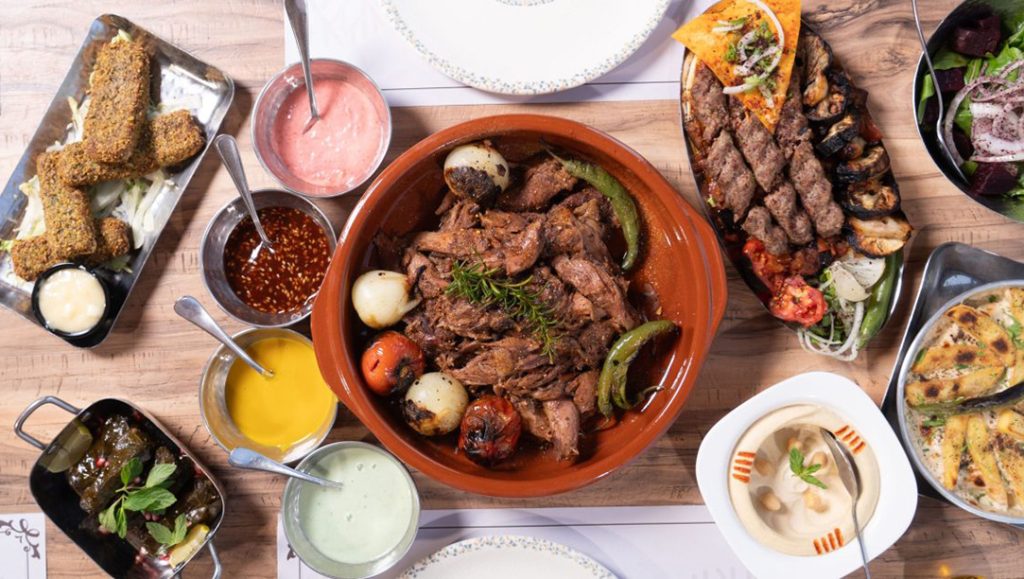
Amman’s cuisine left an equally lasting impression on me. I sampled Mansaf, Jordan’s national dish; the savory richness of the lamb blended perfectly with the creamy tang of the yogurt sauce—a single bite was enough to convey the warmth and hospitality of the Jordanian people. The street food—specifically falafel—kept me coming back for more; with its crispy exterior and aromatic filling, I found myself snacking on it almost all day long. Finally, at a small pastry shop, I tasted baklava; the layers of flaky pastry combined with the sweet-yet-never-cloying walnut filling made me instantly fall in love with the flavors of this city.
Travel Tips—My Personal Insights
Transportation: I found Amman’s taxis to be very convenient, though it is essential to negotiate the fare in advance; Uber and Careem are also practical options.
Attire: Out of respect for local culture, I chose to wear loose-fitting clothing, which allowed me to feel much more at ease while navigating the streets.
Language: Although Arabic is the official language, English is widely understood and spoken in most places.
Shopping: The spices and handicrafts at the Al-Balad (Downtown) market are truly unique, while the modern shopping complex at City Mall fulfilled every one of my retail fantasies.
The Amman Imprint—Departing with Memories
As I left Amman, I felt a pang of reluctance to say goodbye. This city possesses both the profound historical weight of a thousand years and the vibrant energy of the modern age. I loved feeling the passage of time amidst the ancient ruins, just as I loved slowly savoring the tranquility of life at the street-side cafés. What Amman gave me was not merely a collection of travel memories, but a truly wondrous experience—one that felt like a journey across time itself.